

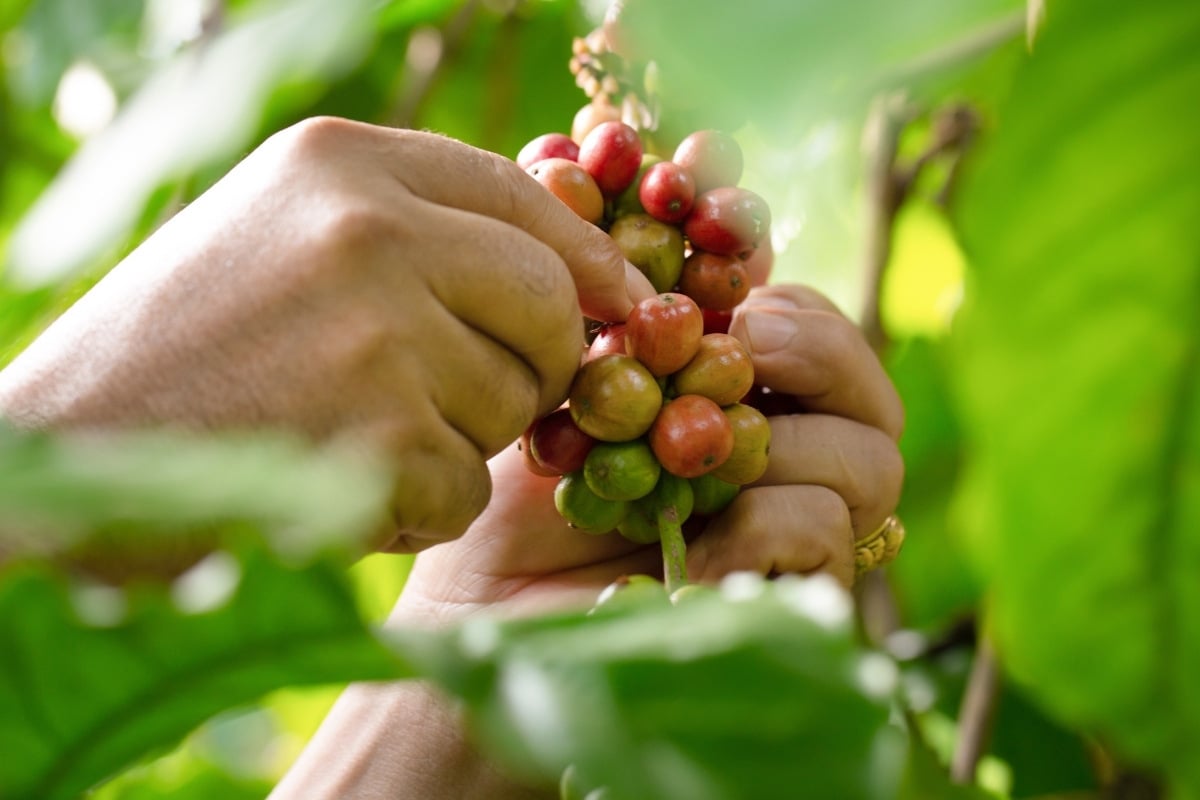
Global agricultural markets are entering 2026 with a calmer baseline than the last few years—but “stability” doesn’t mean “smooth.” The big theme is divergence: some crops move into surplus while others tighten, and those supply gaps will keep volatility alive. In coffee, the balance is increasingly about whether output rebounds enough to cool prices—and how quickly weather and trade politics reintroduce risk.
The macro template still fits coffee: supply shifts + politics + weather
Across agriculture, supply is being re-priced as planting decisions, freight/trade frictions, and climate variability reshape availability. Coffee is no exception—except its sensitivity is magnified by:
- Concentrated origins (Brazil and Vietnam as the key swing producers).
- Weather asymmetry (one bad seasonal window can flip sentiment fast).
- Quality segmentation (Arabica vs Robusta dynamics and substitution limits).
ING’s 2026 outlook (as reported by ANI reprints) flags that coffee could cool next year if output recovers, but that cooling is unlikely to be linear—especially if weather headlines return.
Arabica vs Robusta: why “uneven” is the right word
Even if the aggregate coffee balance improves, pricing can stay choppy because Arabica and Robusta often react to different constraints:
- Arabica is more sensitive to Brazilian weather and quality outcomes.
- Robusta is more sensitive to Vietnam supply flow, farmer selling pace, and industrial demand.
That divergence can keep the Arabica/Robusta spread active—driving hedging decisions for roasters and, by extension, margin narratives in coffee-linked equities.
What it means for coffee-related stocks
1) Margin story: volatility matters as much as the price level
For public coffee-heavy companies, the key question isn’t only “higher or lower coffee?” It’s how fast and how violently prices move relative to pricing cycles and hedge coverage.
- Retail chains (e.g., Starbucks): typically feel volatility through cost-of-goods and promotional flexibility, but can sometimes offset via pricing/mix—depending on demand elasticity.
- Packaged coffee / roasters with consumer exposure (e.g., JDE Peet’s, Nestlé coffee portfolio, Keurig Dr Pepper’s coffee systems exposure): tend to be most sensitive to pass-through timing, retailer negotiations, and whether they can preserve price/mix without volume damage.
If the market narrative turns to “cooling coffee prices,” the equity impact can be constructive only if it reduces input-cost uncertainty rather than introducing whipsaw.
2) Guidance risk shifts from “cost inflation” to “demand + pricing power”
If input costs stabilise, investors often rotate to: volume trends, competitive intensity (private label vs brands), and consumer trade-down risk.
So “coffee cooling” can help the cost line, but it doesn’t automatically lift earnings if demand weakens or pricing power fades.
Key drivers to watch in 2026
- Brazil and Vietnam crop signals: confirmation of a rebound (or early signs it’s not materializing).
- Weather risk windows: any renewed stress can reintroduce risk premium quickly.
- Trade politics / policy noise: agriculture broadly is being re-shaped by trade frictions; coffee can get caught in sudden regulatory or tariff headlines even when fundamentals look calmer.
- Arabica/Robusta substitution limits: how far roasters can lean on blend economics without compromising product positioning.
Bottom line
2026 may bring more stability, but coffee is unlikely to become “quiet.” The most realistic base case is uneven improvement—periods of cooling interrupted by weather/policy-driven repricing. For coffee equities, that translates into a market that will reward predictability (stable hedging + disciplined pricing) more than heroic growth stories.