

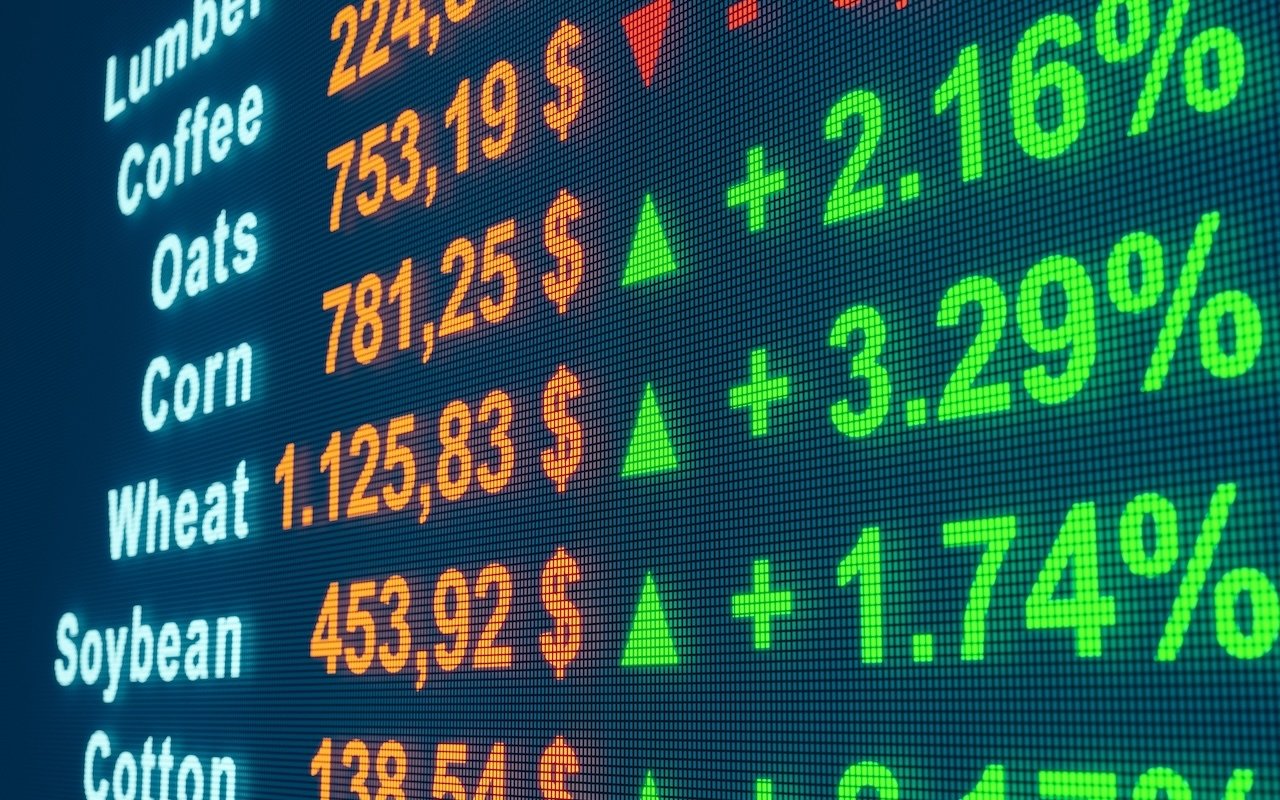
Coffee is one of the cleanest real-economy signals in Latin America because it sits at the intersection of FX, trade flows, rural income, logistics, and policy risk. It won’t predict markets on its own—but it can confirm whether the region is moving toward stabilization (better momentum) or stress (worse momentum).
Why coffee matters for LATAM markets
In Brazil and Colombia, coffee is a major export earner and a fast-moving source of hard currency. When coffee revenues rise (even if volumes fall), that can ease external financing pressure and support confidence in local assets. For example, USDA reporting shows periods where Brazil’s export volumes were down, but foreign-exchange revenue still rose due to higher prices.
In Colombia, high international prices lifted export values sharply in 2025 even as production dynamics were expected to change into the next cycle.
At a macro level, coffee behaves like a “commodity + currency” asset:
- Coffee is priced globally (USD), so shifts in USD strength and local currencies (especially BRL) feed directly into producer selling, hedging, and price action.
- That same currency channel is often what drives broader LATAM risk-on/risk-off moves.
Coffee as a stabilization indicator: 5 signals to watch
1) Currency + coffee moving “in sync”
When coffee prices strengthen alongside a firmer local currency (or when coffee rallies despite USD headwinds), it can signal improving terms-of-trade sentiment and reduced stress around export competitiveness and financing. Market observers commonly track the coffee/BRL linkage as a practical indicator of flow and hedging behavior.
Interpretation
- Constructive: coffee firm + FX stable/strong → better confidence in export receipts.
- Caution: coffee weak + FX weakening → pressure on the external story (or forced selling/hedging)..
2) Export revenue vs export volume
If export volumes are down but export revenues are up, that can still be supportive for balances and sentiment—because what matters for stability is the hard-currency inflow. USDA’s Brazil coffee reporting highlights this “revenue up despite volume down” dynamic.
Interpretation
- Constructive: revenues rising → supports current account and domestic liquidity.
- Caution: revenues falling (even with steady volumes) → deteriorating terms of trade.
3) Curve structure and nearby tightness
When the market is in backwardation (near months priced above deferred months), it often reflects near-term tightness—a sign that supply logistics/inventories are strained. Analysts frequently point to certified stock tightness and curve backwardation as evidence of stress in “available” supply.
Interpretation
- Constructive: backwardation eases gradually → normalization in logistics/inventory.
- Caution: backwardation steepens suddenly → supply chain stress, headline sensitivity.
4) Certified stock trends (ICE/ICO monitoring)
Certified stocks are not the whole market, but they’re a transparent “thermometer” for deliverable supply conditions. The ICO’s monthly reporting discusses certified stock movements as part of its market monitoring.
Interpretation
- Constructive: steady rebuild in certified stocks → reduced near-term scarcity premium.
- Caution: renewed draws → heightened volatility, risk premium.
5) Production headlines as “risk sentiment triggers”
LATAM equity and FX often react to climate/production headlines because they impact the trade narrative. Recent reporting shows how Brazil’s coffee supply is evolving (including canephora/robusta expansion into new areas) and how Colombia’s cycle can shift after a strong harvest.
Interpretation
- Constructive: credible supply improvements + stable logistics → lower risk premium.
- Caution: weather shocks / cycle downshifts → higher volatility and risk-off impulses.
How this links back to “general market stabilization” in LATAM
Think of coffee as a micro-to-macro bridge:- Rural income + consumption: high prices can support farmer income and regional demand (good for local activity).
- External accounts: stronger coffee receipts can help sentiment toward FX, rates, and sovereign risk.
- Inflation and policy: coffee is also an input cost—if prices surge, it can add to food/beverage inflation pressure and complicate disinflation narratives (bad for rates-sensitive assets).
Practical takeaway: use coffee as a dashboard, not a crystal ball
Coffee price trend (Arabica/Robusta).
BRL and key LATAM FX trend.
Export revenue headlines.
Curve/backwardation + certified stocks.
Weather/production/logistics headlines